
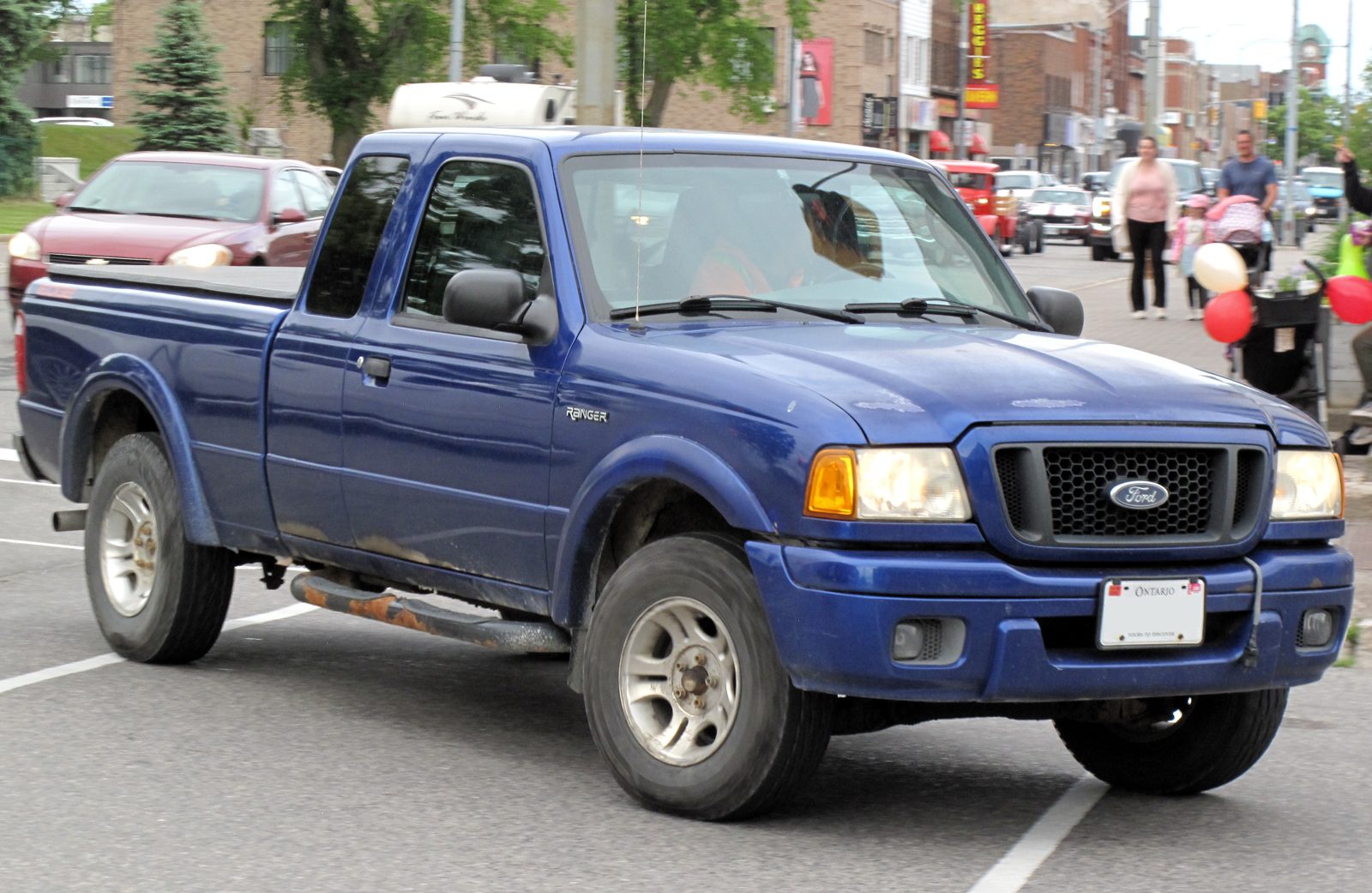
If your 4.0 SOHC V6 sounds like a can of marbles after a cold start, or buzzes like spark knock around 2,500 rpm, you’ve met this engine’s most famous problem. The timing chain guides (part of what Ford calls a “cassette”) wear out, and the rear one is the one that ruins your weekend.
Which engines are affected
The 4.0 SOHC went in the 2001-2011 Ranger, 1997-2010 Explorer, 1998-2010 Mountaineer, 2001-2010 Explorer Sport Trac and Mazda B4000. Engines through about 2002 are the worst, but high-mileage later engines wear guides too. Pre-2001 Rangers have the 4.0 OHV pushrod engine, which doesn’t have this problem.
How the timing drive is laid out
A primary chain runs from the crank to a jackshaft in the block. A front chain drives the left (driver side) cam. A third chain at the back of the engine drives the right (passenger side) cam. Some engines also have a balance shaft with its own chain. That rear chain sits behind the flexplate, and that’s why this job gets ugly.
Symptoms and codes
- Rattle at cold start that fades as oil pressure comes up
- Buzz or “spark knock” sound under load between 2,000 and 3,000 rpm
- Rattle loudest at the rear of the passenger side valve cover: think rear cassette
- Plastic chunks in the oil pan or on the pickup screen
- Cam/crank correlation codes P0016 through P0019 on PCMs that support them, or P0340 cam sensor codes and misfires once timing has slipped
A mechanic’s stethoscope on each valve cover will usually tell you which end is talking. Our 3.5 EcoBoost cold-start rattle guide uses the same “chain or something else?” logic on a newer engine.
What Ford said about it
Ford TSB 04-15-4 (which superseded TSB 02-08-01) covers a primary chain rattle at 2,000 to 3,000 rpm on 1999-2002 Explorer and Mountaineer and 2001-2002 Ranger, Sport and Sport Trac. The fix was an updated primary tensioner kit, not the rear cassette. Forum consensus is that the revised guides help, but the rear guide still fails with age.
Does the engine have to come out?
For the primary chain, primary tensioner and front cassette: no. Those come out the front with the engine in the truck. For the rear cassette: the engine and transmission have to separate, because the jackshaft rear sprocket bolt hides behind the flexplate. You can pull the transmission instead, but most experienced owners pull the engine. The repair is far easier on a stand, and you can drop the pan and clean out guide debris properly.
Parts and tools
- Complete timing kit. If you’re this deep, replace everything. Cloyes 9-0398SA is for engines without a balance shaft; Cloyes 9-0398S adds the balance shaft parts. Check your engine before ordering.
- Cam timing tools. The cam sprockets have no keys or dowels, so you must lock the cams and tension the chains. The OTC 6488 cam service kit is the forum favorite.
- New jackshaft sprocket bolts and crank bolt (torque-to-yield, don’t reuse)
- Front cover, valve cover, upper intake and oil pan gaskets, a new jackshaft rear plug, oil and filter
- Harmonic balancer puller, engine hoist, engine stand and load leveler
Engine removal overview
- Disconnect the battery, drain coolant and oil, and relieve fuel pressure.
- Remove the hood, air intake, fan, shroud and radiator.
- Unbolt the A/C compressor and power steering pump and tie them aside, no need to open the A/C system.
- Disconnect fuel lines, harness, grounds, vacuum lines and heater hoses. Photograph everything.
- Underneath, unbolt the exhaust, the starter and the converter nuts (automatics).
- Support the transmission with a jack, remove the bellhousing bolts and motor mount nuts, then lift the engine forward and up.
Figure a day out and a day back in, plus the timing work. Follow the factory manual for timing and torque specs to the letter. Sources disagree on whether this engine is truly non-interference, so if a chain jumped, run a compression test before calling it done.
Regular oil changes are cheap insurance, since the tensioners run on oil pressure. Got a V8 Ford too? See our 4.6 and 5.4 intake leak guide, and the oil and filter guide covers your newer Fords.
Featured photo: “2004 Ford Ranger Edge in Sonic Blue Metallic, Front Right, 06-17-2022” by Elise240SX, via Wikimedia Commons, licensed CC BY-SA 4.0. Resized.